Blog

Manor on The Hill updates & insights
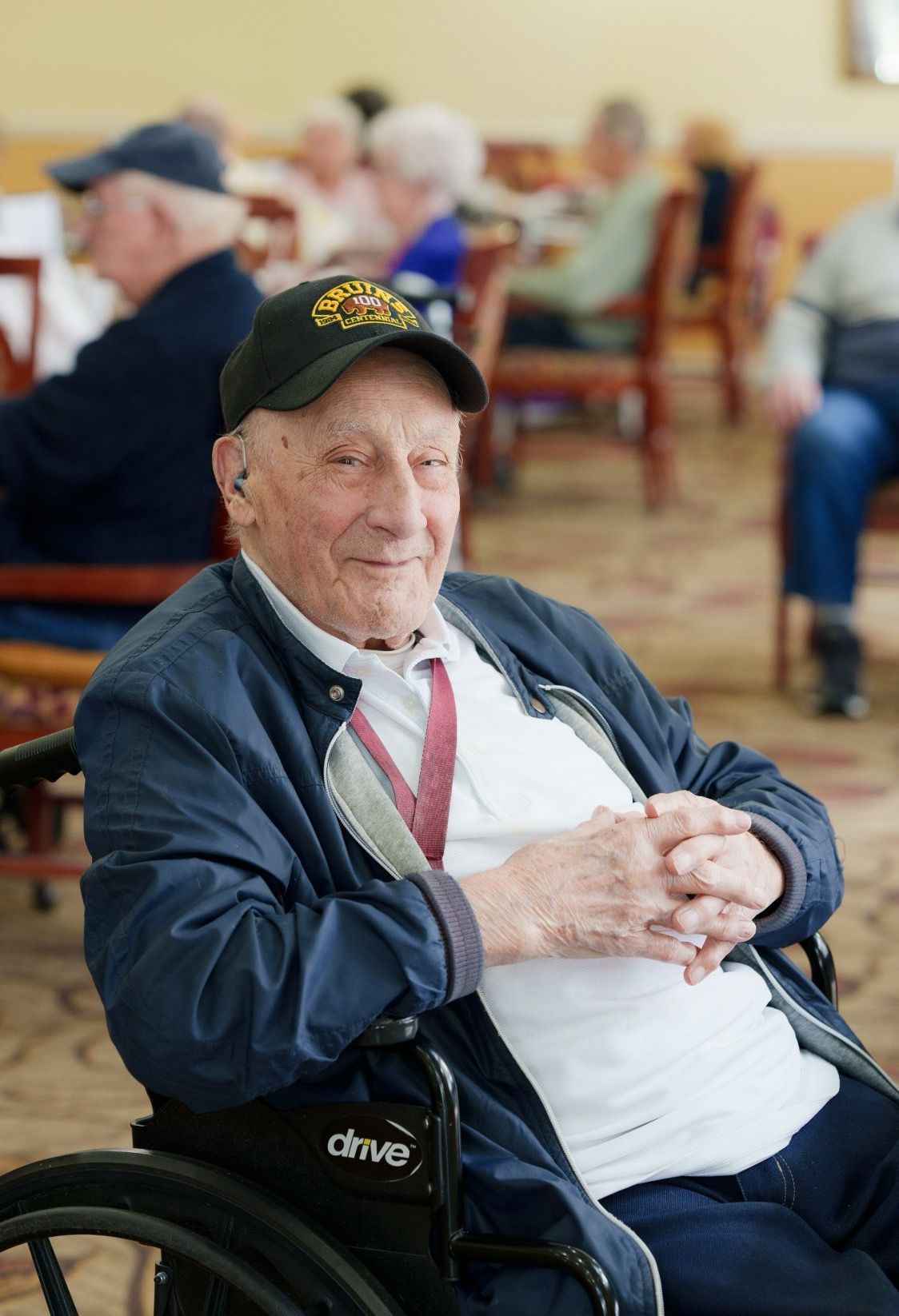
An individual in a wheelchair and a baseball cap smiles in a room with other people seated at tables in the background.
March 17, 2026
Learn how Manor on the Hill in Leominster, MA helps seniors stay independent with personalized care, social activities, and maintenance-free living.
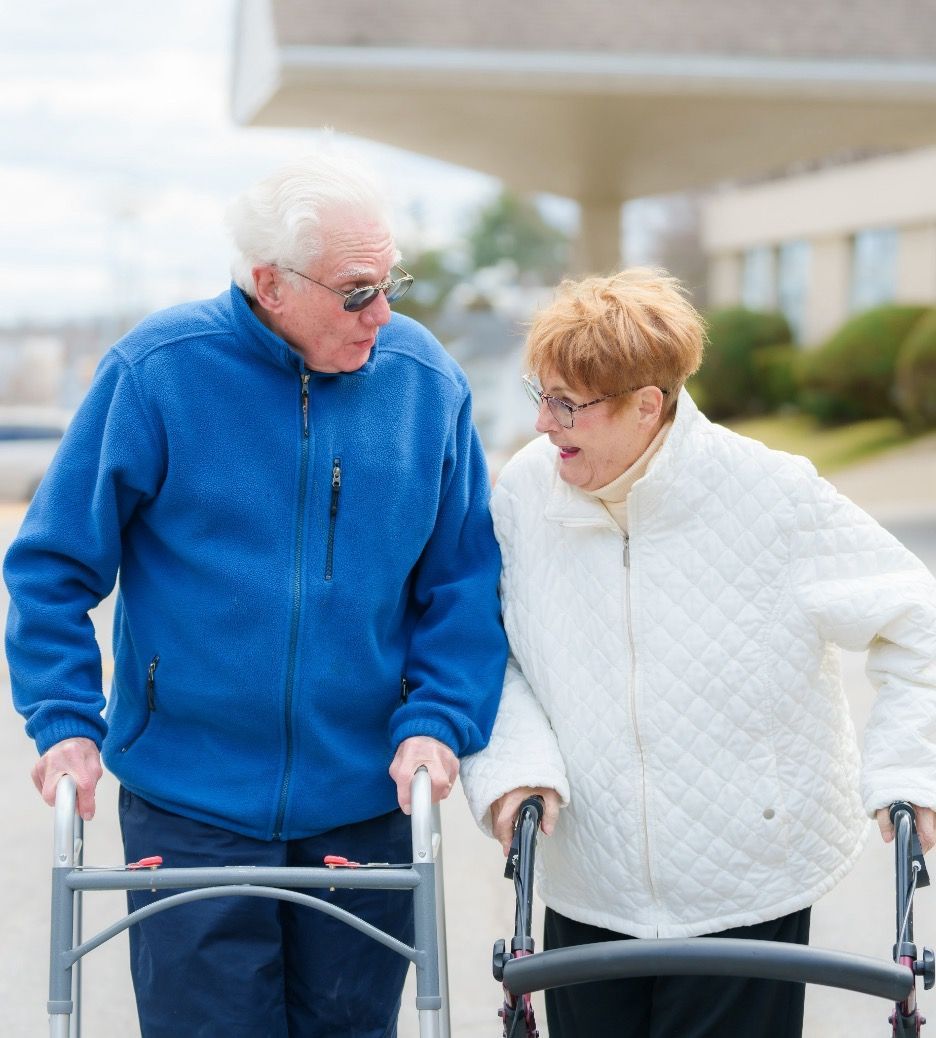
Elderly couple using walkers, outdoors. Man in blue jacket, woman in white jacket. They are looking at each other, possibly talking.
March 4, 2026
Are you noticing changes in a loved one? Learn the signs it may be time for assisted living in Leominster, MA and how Manor on the Hill offers caring support.
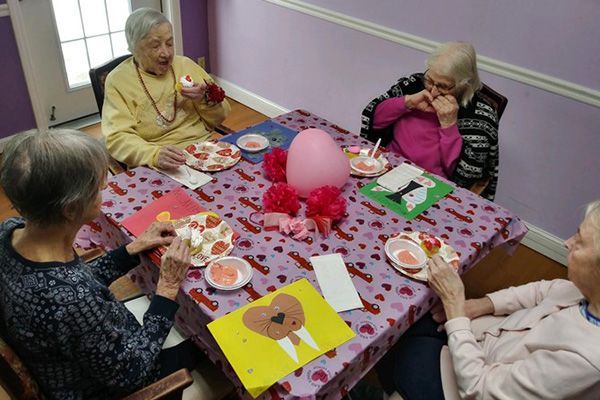
A group of elderly women are sitting around a table with plates of food
April 1, 2021
They say “It takes a village to raise a child”; Knowledge, wisdom, and unconditional love by seniors have a lasting effect on children. Children can also bring happiness and smiles to seniors. We can reminisce about the past when extended families lived close together on the same street or in the same town and interacted frequently. Manor on the Hill (pre-pandemic) had a “Adopt a Grandparent Program” where preschool children came every month to do activities with the residents. This was the most popular activity for both generations. Meaningful activities between seniors and children can be fun and educational. Here are examples of things that the seniors can talk about bringing back nostalgic memories and educating the children at the same time: Tin of Spam: Most children will have no idea what it is however seniors will have memories of tinned meat that could be transported and stored without refrigeration. Rotary phone: Dialing numbers one-by-one, one mistake or busy line and had to start all over again Payphones and a dime in their penny-loafers to call home. Many may have used their dime for a treat at the corner store. Printed references like the phone book, TV Guide and an Encyclopedia set Gramophone records; Side A & B with a handful of songs Silent movies & news reals Rationing during the wars Games they played
A woman in a wheelchair is holding a certificate on the front page of a leominster champion newspaper
September 26, 2019
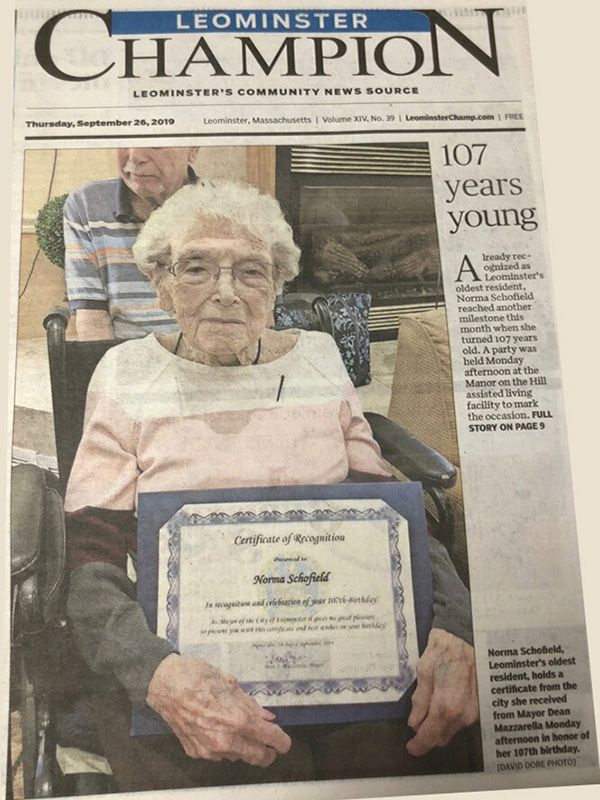
Norma Schofield, a resident of Manor On The Hill, celebrating her 107th birthday with family and friends. She also appeared in Leominster Champion Newspaper. Click here to read what her son has to say.
A woman is brushing another woman 's hair with a brush
April 15, 2019
Sundowning is a neurological phenomenon associated with increased confusion and restlessness most commonly associated with Alzheimer’s disease, but also found in those with other forms of dementia. The term “sundowning” was coined due to the timing of the patient’s confusion as it typically occurs late in the day or early evening as the sun is setting. The symptoms may include increased confusion, anxiety, aggression, agitation and ignoring directions. Sundowning seems to occur more frequently during the middle stages of Alzheimer’s disease and mixed dementia and subsides with the progression of a patient’s dementia. Here are some useful tips to deal with sundowning behavior:  Close blinds and drapes so that the decreasing light outdoors is not easily seen. Brighten the interior environment with increased lighting being careful to keep the room free from shadows. Dementia sufferers may mistake a shadow for a hole to avoid increasing the risk of falls as they move away to avoid what they believe is a danger. Create a calm environment. Turn off the TV and put soothing music on. Be sure the music is era appropriate; Sinatra not Madonna. Limit day time napping. While the cause of sundowning is not completely understood, it is known to be a disturbance of the internal clock. Keeping to a set sleep schedule with limited napping is known to help. Be patient and distract with an enjoyable activity. View a favorite photo album, brush hair, water indoor plants. Find a calm, soothing activity the senior enjoys and be patient sharing the activity with them. Here at Manor on the Hill, we incorporate these tips into our evenings to help our Residents who suffer from sundowning helping them get to their bedtime routine and sleep.
A group of elderly people are sitting in chairs with their hands in the air.
March 21, 2019
Risk factors have been identified to assess your risk of developing Alzheimer’s. Some are uncontrollable, such as age, while others can be influenced by your choices. Uncontrollable Factors: Age – is the greatest known factor for Alzheimer’s. One out of three people who are 85 or older have the disease. Family History – is another strong risk factor. Those who have a parent or sibling with the disease is at a higher risk of contracting Alzheimer’s. Genetics – Science has identified several risk genes and deterministic genes that influence the odds of developing Alzheimer’s. Risk genes increase the likelihood of developing the disease but do not guarantee that the person with the risk gene will indeed develop the disease. The gene with the strongest link to the disease is apolipoprotein E-e4 (APOE-e4); those who have this gene have a one in four chance of developing Alzheimer’s. A deterministic gene is a gene that directly causes the disease. Those who have a deterministic gene will develop Alzheimer’s. Science has so far found three deterministic genes that lead to Alzheimer’s – amyloid precursor protein (APP), presenilin-1 (PS-1) and presenilin-2 (PS-2). Controllable Factors: Recent research has found links of risk factors we can control through our general lifestyle and wellness choices. Head Trauma – research has shown a strong link between serious head injuries and further risk of Alzheimer’s. Healthy Heart – there is growing evidence of a link between heart health and brain health. Those who suffer from high blood pressure, heart disease, diabetes and high cholesterol have a higher risk of developing Alzheimer’s. Ethnicity – because Latinos and African Americans have higher rates of vascular disease (see above), they may also be at a higher risk for Alzheimer’s. Healthy Aging – overall healthy aging may also keep your brain fit. Keep your weight within recommended guidelines, avoid tobacco and excessive alcohol use, be socially involved and exercise your brain and your body.
A woman in a green shirt is sitting next to an older woman on a wicker bench.
March 15, 2019
The other day as I was walking through our Memory Care Lane, the memory care wing at our Assisted Living Community in Leominster, MA, I was able to observe the quality care and compassion one of our CNAs was providing one of the seniors living with us. The Resident, whom I will call Nancy (not her real name due to HIPPA) was being attended to by one of our long-tenured aides (whom will refer to as Lisa) who had specialized training in Alzheimer’s Care. Lisa’s approach to Nancy demonstrated several key practices in communicating with a senior citizen with Alzheimer’s or Dementia which I thought would be useful to share. Lisa had approached Nancy from the front, introducing herself, probably for the thousandth time. As Nancy was seated, Lisa got down on her level maintaining eye contact the entire time. Lisa placed a hand on Nancy’s forearm to give her physical comfort. Keep in mind that if the senior is irritated by touch, to avoid this, but be sure to practice the other approach keys – approach from the front, introduce yourself by name, be on the same level and maintain eye contact. Lisa called Nancy by name to help orient her and to gain her attention and focus. Lisa used a lower pitch as it is more calming. She spoke slowly asking Nancy one question at a time in short sentences with simple words so as not to overwhelm Nancy. When Nancy didn’t respond immediately, she patiently waited as Alzheimer suffers often need more time to process. When Nancy didn’t respond, Lisa repeated the question using the same words rather than changing words which can lead to more confusion and agitation. Rather than asking Lisa questions, she turned the question into an answer, providing a solution. As it was close to lunch time, rather than saying “Are you hungry?”, Lisa said “The Dining Room is around the corner. Let me take you there.” To get Nancy ready for the walk to the Dining Room, Lisa placed Nancy’s hand on her walker, providing a visual cue on what Lisa would like her to do. Nancy understood this cue and stood up, allowing Lisa to escort her to her meal. During this entire encounter, Lisa avoided quizzing her, peppering her with questions or asking her questions such as, “Do you remember what you wanted?”. Asking a person with dementia to remember only adds to their frustration. Throughout Lisa presented an easygoing manner with a gentle, kind tone of voice supported by friendly facial expressions. Most importantly, Lisa treated Nancy with dignity and respect. I was so proud of Lisa that I gave her a Manor Moment, a program of recognition for these numerous special moments at Manor on the Hill. Please look for more useful information each week. Thanks for reading.
Two elderly women are shaking hands while sitting at a table
February 17, 2019
We often have family visit us here at Manor on the Hill and can see immediately in their eyes the stress of caring for an elderly parent. Moving Mom or Dad from their long-time home can be unsettling, however, making that move is often in their best interest. 30 days after moving in, we see Residents gaining weight since they are being served three nutritious meals a day and their mood improves as they socialize with others in their new home. Other than the stress caring for a senior presents, what are some other signs it may be time to consider Assisted Living? Housework is being neglected The senior doesn’t bathe regularly, often as they worried about safety in the tub or shower Laundry isn’t being done and the same clothes are being worn day-after-day Bills aren’t being paid timely Medical care is needed more frequently, often with hospitalization Your loved one feels isolated and bored, often leading to depression Difficulty managing their medication Increased falls and other accidents Memory loss and forgotten appointments Increased aggressive behavior The generation your Mom and Dad belongs too often views an Assisted Living Community with their image of a Nursing Home from the 60s or 70s. This isn’t accurate as Nursing Homes are very different from that image and Assisted Living Communities are a relatively new concept. Assisted Living should be thought of as being comprised of three parts – real estate, hospitality and care. The real estate is the apartment they rent, as well as the enjoyment of the communal living spaces such as the dining room, library, activity room, community kitchen and grounds. The hospitality consists of dining, activities, entertainment and trips to area stores, restaurants and cultural attractions. And the care component is assistance with the six Activities of Daily Living (ADLs) – bathing, grooming, dressing, toileting, mobility and eating. After a family makes the decision to move Mom or Dad to Manor on the Hill, we often hear within the first month, “I wish I had done this sooner”. Call for a visit to see how we can help you and your senior parent.
A person is tying a person 's shoelaces on a wooden floor
January 29, 2019
"Proper footwear is an important defense against the risk of falling" One major consequence of growing older is the increased likelihood of falling. One of four people over age 65 falls each year. Falling once doubles your chance of falling again. Understanding the causes and implementing easy interventions, in conjunction with your medical team and family, can reduce or eliminate the risk of falling. Doing so important for the elderly as the impact of falling is significant:  One of five falls will cause a serious injury 8 million older people are treated in an emergency room annually for injuries related to falls. More than 800,000 are hospitalized each year after a fall At least 300,000 of the hospitalizations are for fractured hips The direct medical costs for fall injuries are $31 billion annually. Because of the impact on the quality of life of seniors after a fall, and the financial costs, a lot of research has been done to identify risk factors and what can be done to prevent falls. Risk factors include: Lower body weakness Use of medicines, particularly sedatives, tranquilizers and antidepressants Vision issues Balance difficulties Vitamin D deficiency Home hazards Foot pain or improper footwear While all falls cannot be prevented, simple steps can go a long way to minimize the chances of falling. These include: Visit your doctor. Discuss with him or her a list of your medications, both prescribed and over-the-counter. Your doctor can review your medications for side effects and interactions that may increase your chance of falling. Also tell your doctor about how comfortable you are when you walk – do you grab items such as chairs to steady yourself; do you feel dizzy when standing or walking; do you suffer joint pain or a shortness of breath; do you have numbness in your lower extremities. These will help your physician evaluate your risk for falling. Exercise. Do exercises that make your legs stronger and your balance better. Exercise need not be strenuous, just done on a consistent basis, in order for you to see improvement. Tai chi is a good exercise for seniors. Have your Eyes Checked. Do this at least once a year. Update your eyewear as needed. Consider ditching those bifocals and have dedicated glasses for reading and another pair for distance. Wear the Right Shoe. Wear properly fitting, sturdy shows with nonskid soles. If you wear slippers around the house, these too should have nonskid soles and should not be loose but snug. Look around your home. Remove throw rugs and clutter. Move coffee tables, magazine stands and plants from high traffic areas. Make sure handrails, floorboards and steps are secure. Add a second handrail on the stairs so there is one on both sides for your use. Use non-skid floor wax. Store items you use a lot, especially in the kitchen, at an easy to reach level. Add grab bars in the bathroom and grab handles at the front door. Keep your tub free of soap build up and install no-slip strips in the bath or shower. Light it up. Keep your home brightly lit to avoid tripping on hard-to-see items. Turn on the light before going up or down stairs or through a room. Trade out the light switch for a glow-in-the-dark switch. Place nightlights in hallways, bedrooms, bathrooms and stairways. Keep lighting uniform in each room and add lighting to dark areas. Use a cane or walker. And if you do, use it all the time, even for a short walk across a room. At Manor on the Hill, we conduct a fall risk assessment regularly with our Residents and partner with health providers to implement these suggestions, as well as, to engage in our Residents in Physical or Occupational Therapy as needed. A little planning can help prevent falls and keep you from becoming a statistic.
View More